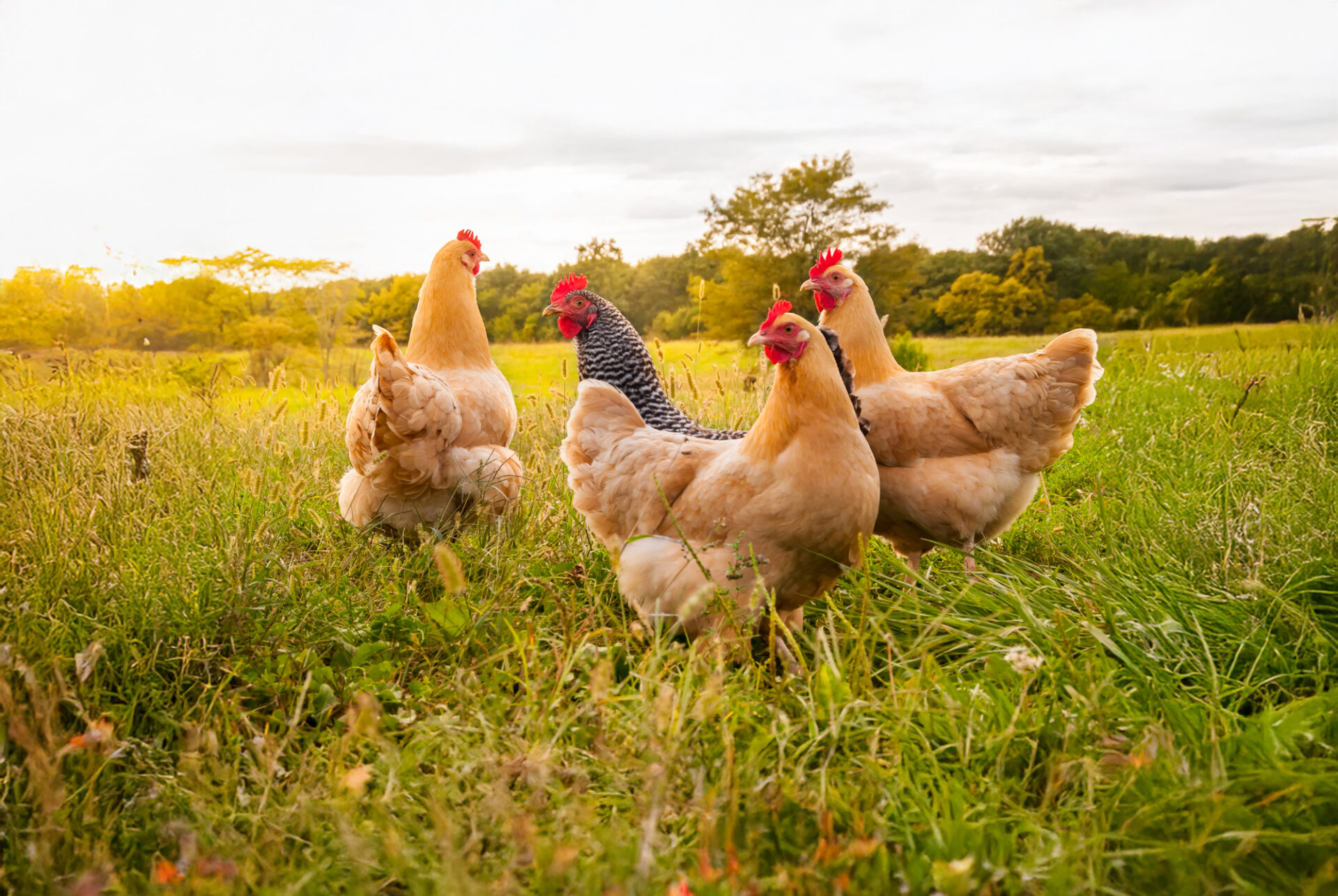
 A flock of chickens in search of food late in the day
Feed Smarter, Grow Stronger: How to Optimize Animal Protein in Broiler Nutrition
As feed prices fluctuate and sustainability standards rise, optimizing protein sources has never been more important for poultry producers.
At LIONPRO, we believe that efficient poultry nutrition begins with understanding the science behind animal proteins. The use of Meat & Bone Meal (MBM) and Feather Meal (FM) plays an important role in providing sustainable and cost – effective protein sources for broiler diets. However, their inclusion must be carefully balanced to ensure optimal bird performance, digestibility, and safety.
1. The Right Balance: How Much MBM to Use?
Meat and bone meal can be safely included at moderate levels, typically between five and ten percent of the diet, depending on the production phase. In starter diets, where chicks are still developing their digestive capacity, the inclusion of MBM should be limited to about five percent. At this level, the diet remains nutritionally balanced and avoids potential mineral excesses caused by the naturally high calcium and phosphorus content in MBM. In later stages, such as grower and finisher diets, inclusion rates of up to ten percent can be used if the feed is properly adjusted for mineral content and amino acid balance.
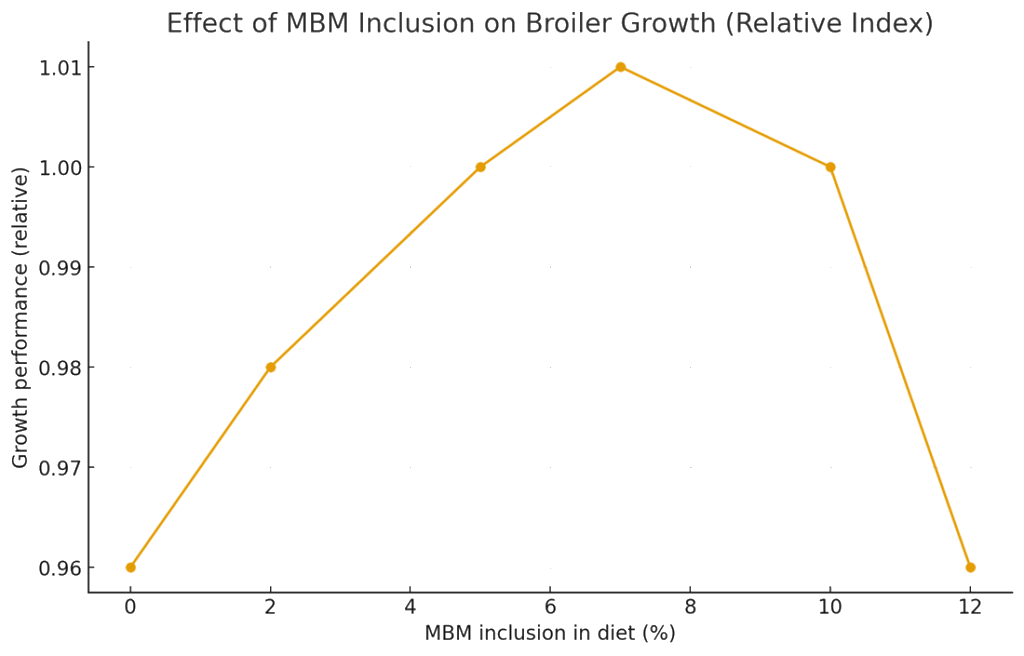
Figure 1. Effect of MBM inclusion on broiler growth rate. Optimal performance is achieved between 5 – 7% inclusion.
2. Feather Meal – High Protein, High Precision
Feather meal is a high – protein ingredient (around 80% CP) that requires precise use. Its digestibility depends heavily on proper hydrolysis. If introduced too early or underprocessed, its keratin structure makes it poorly digestible. Therefore, it should only be used after three weeks of age, during the grower or finisher phases, at inclusion levels between two and five percent.
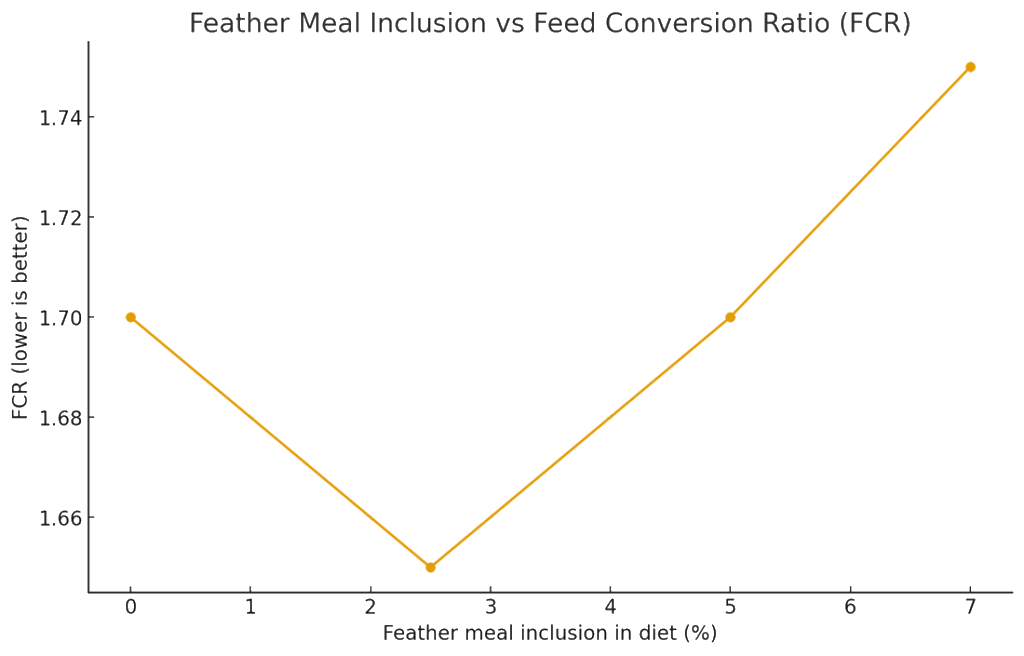
Figure 2. Feather Meal inclusion versus Feed Conversion Ratio (FCR). Best efficiency is observed around 2.5% inclusion.
3. Balancing Amino Acids in Low – Protein Diets
In low – protein diets, glycine and serine become essential. Maintain a digestible Gly+Ser to Lysine ratio of about 1.35:1 to support optimal growth. This balance ensures proper collagen formation, uric acid synthesis, and efficient metabolism. For example, if digestible lysine equals 1.1% of the diet, digestible glycine plus serine should be around 1.5%.
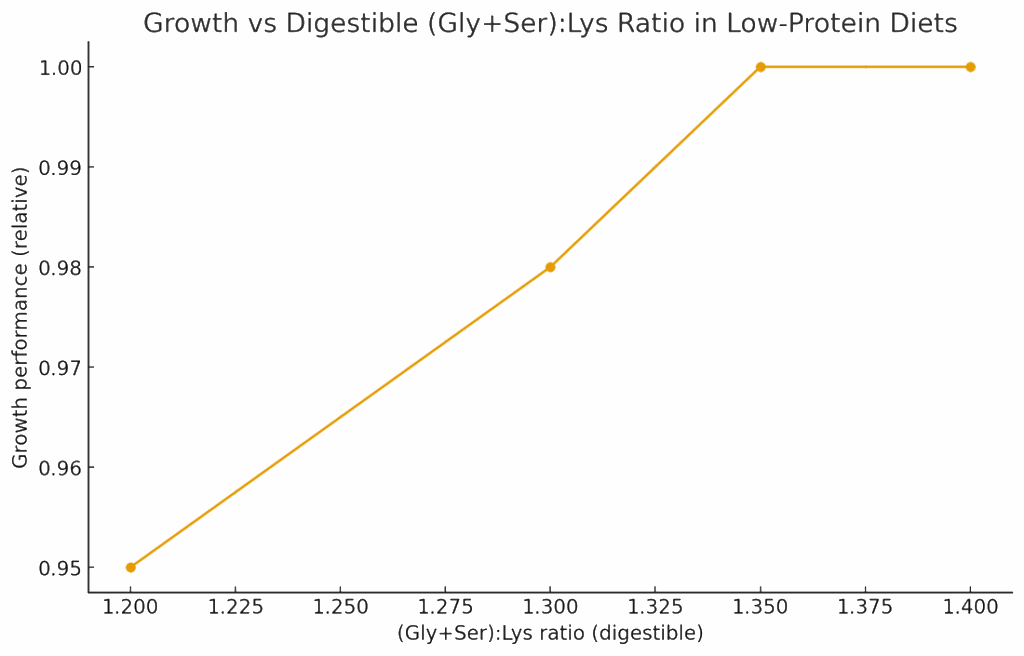
Figure 3. Growth performance in relation to the Gly+Ser:Lys ratio in low-protein diets. Optimal results appear near 1.35:1.
4. Managing Calcium & Phosphorus Variation
The calcium and phosphorus content in MBM can vary depending on bone content. Regular analysis is essential to maintain the correct Ca:P ratio, ideally between 1.5:1 and 2:1. A stable ratio supports bone health and growth performance while avoiding nutrient imbalances.
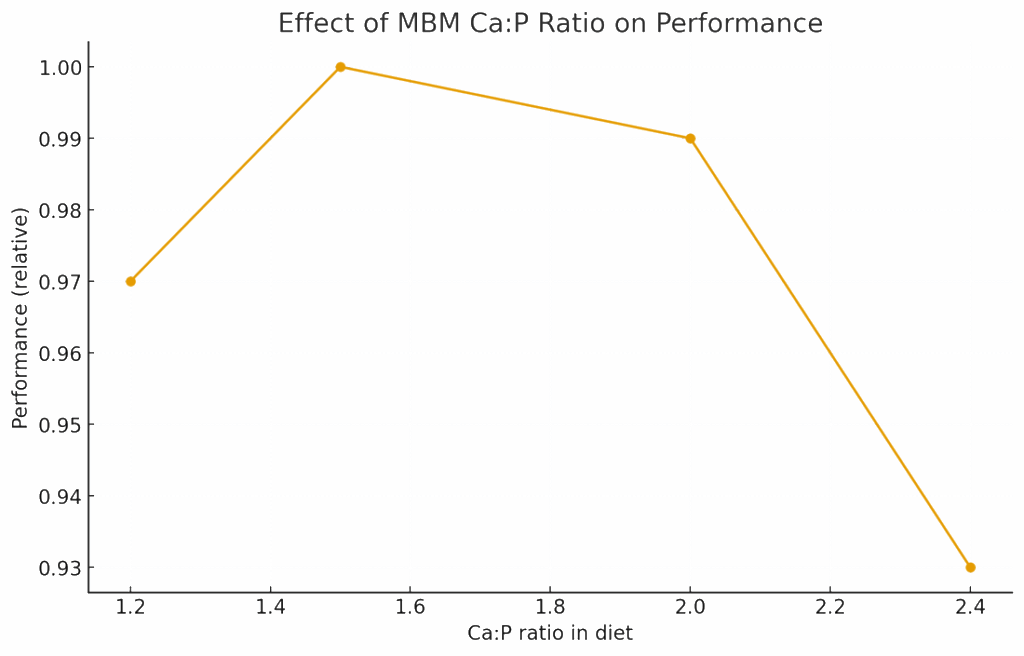
Figure 4. Effect of Ca:P ratio on performance. Growth remains stable between 1.5 and 2.0, but declines above 2.2.
5. Protein Kinetics – Timing Matters
Different protein sources digest at different rates. Fast proteins like fish meal or enzyme – treated soy protein release amino acids quickly, while slower sources such as feather meal release them gradually. Combining fast and slow proteins ensures continuous amino acid availability throughout digestion, enhancing feed conversion and nutrient utilization.
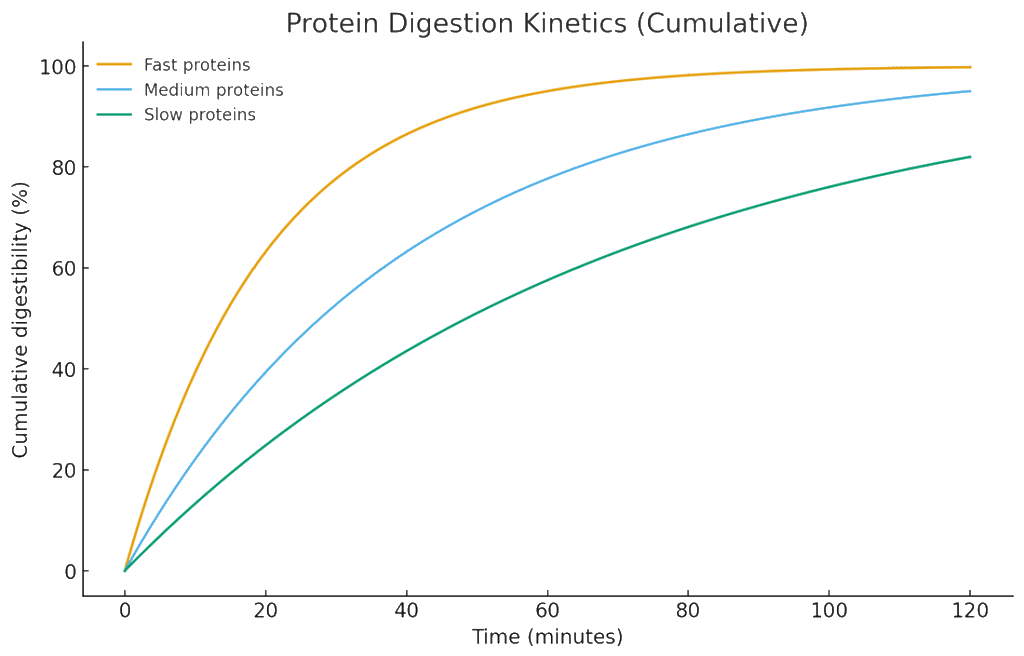
Figure 5. Protein digestion kinetics showing fast, medium, and slow protein release patterns over time.
6. Guanidinoacetic Acid (GAA) & Creatine
Creatine is vital for muscle energy metabolism. Guanidinoacetic acid (GAA), its precursor, can be added to diets – especially those without animal proteins – to support energy balance. In all – vegetable diets, 0.06 – 0.12% GAA can improve growth and breast yield, while diets already containing animal proteins may benefit from smaller amounts (~0.03 – 0.05%).
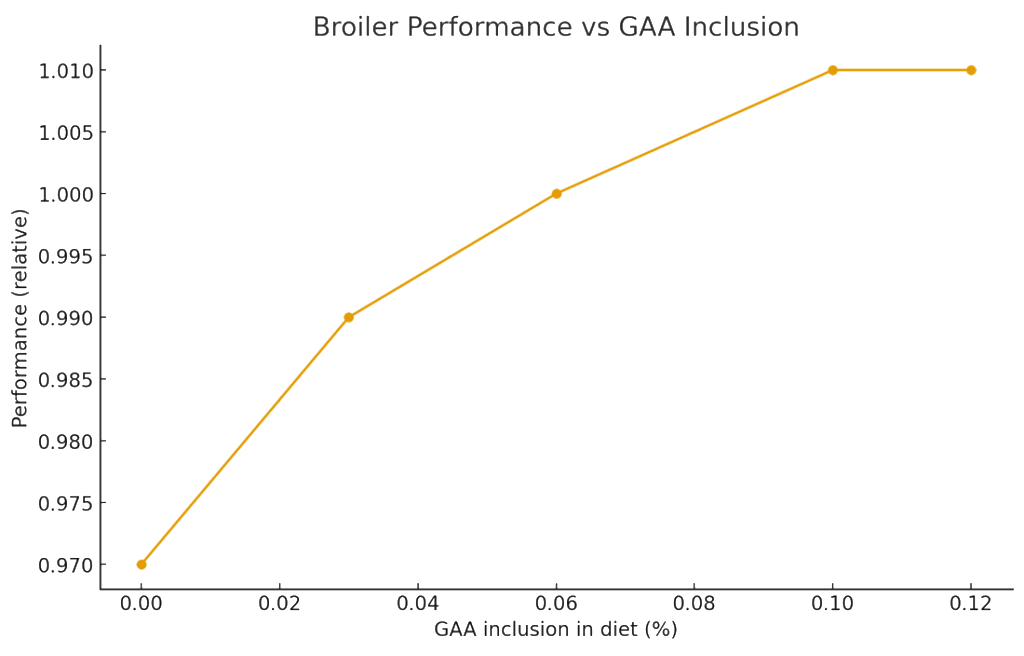
Figure 6. Broiler performance in relation to GAA inclusion. Optimal growth observed between 0.06 – 0.10%.
Perspective
We are committed to empowering feed producers, integrators, and farmers with science – based nutritional knowledge. The intelligent use of animal proteins, supported by precise formulation and quality control, helps achieve better performance while maintaining sustainability and cost – efficiency. By combining high – quality ingredients with innovation and responsible nutrition, LIONPRO helps poultry businesses worldwide feed smarter and grow stronger.